“BIO-I Med”

Bio-Intellignet Medication Lab  of Nanjing University aims to design personalized and intelligent carrier.


Contact Us

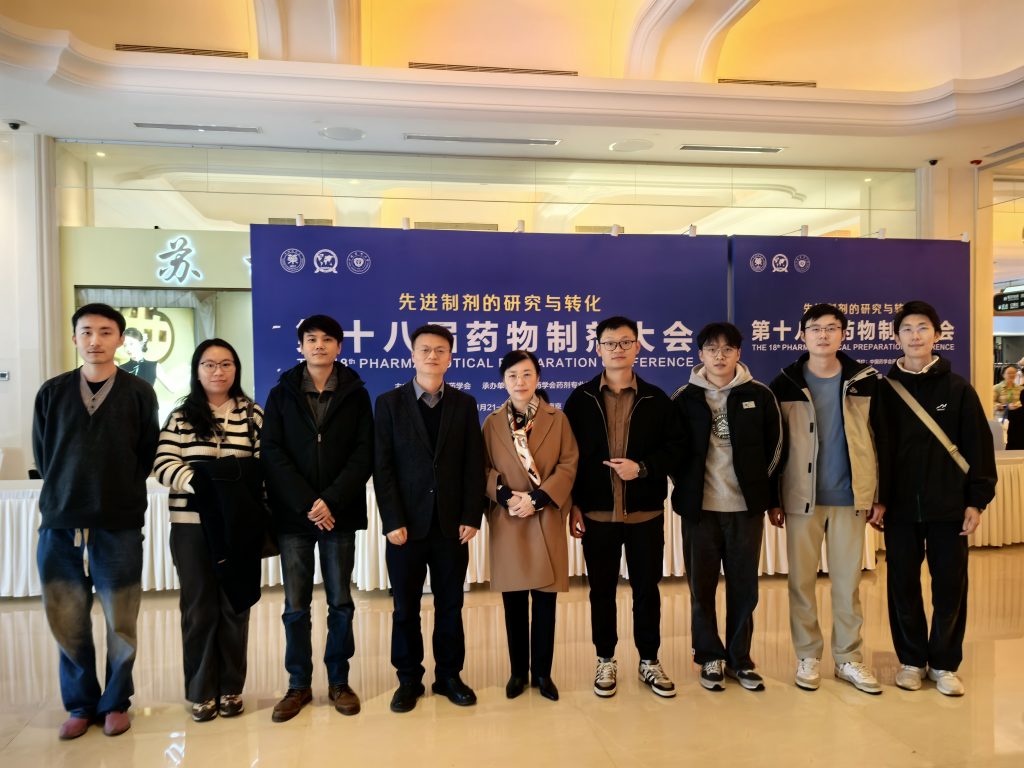
THE 18TH PHARMACEUTICAL CONFERENCE!

2025/11/21


Learn More

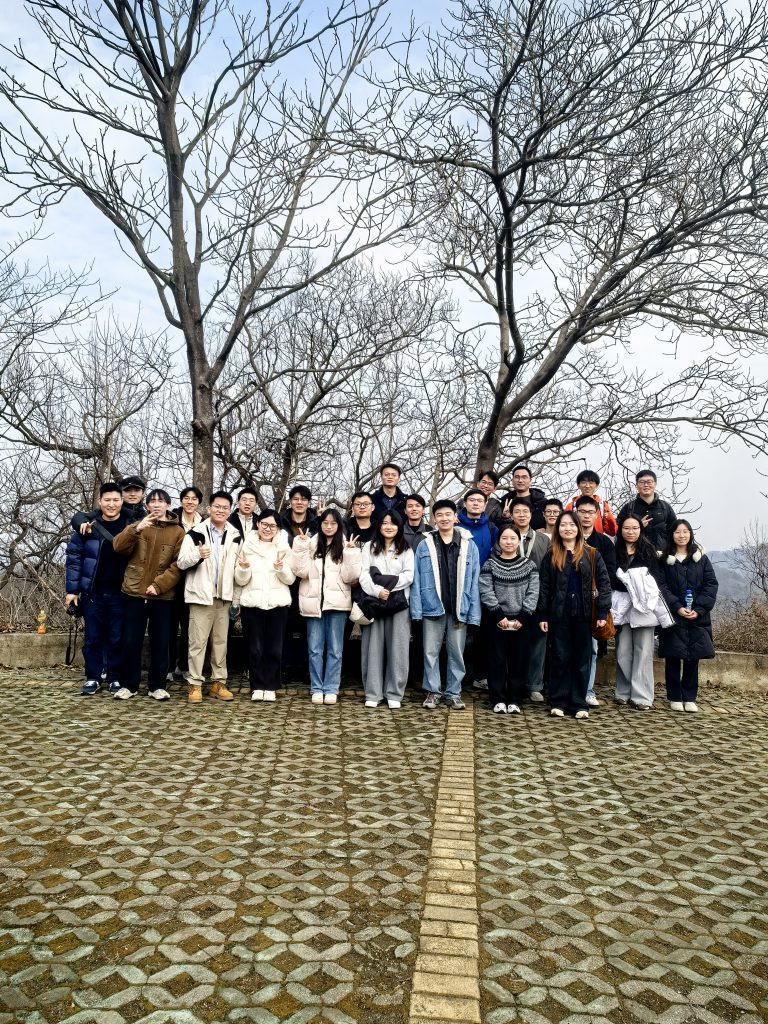
Yilong Shi and Xuehui Rui are welcome to join our laboratory !

2025/01/01


Learn More

Warmly welcome Huimei Chen to our school for academic exchange!

2024/12/11


Learn More

BioIMed Lab

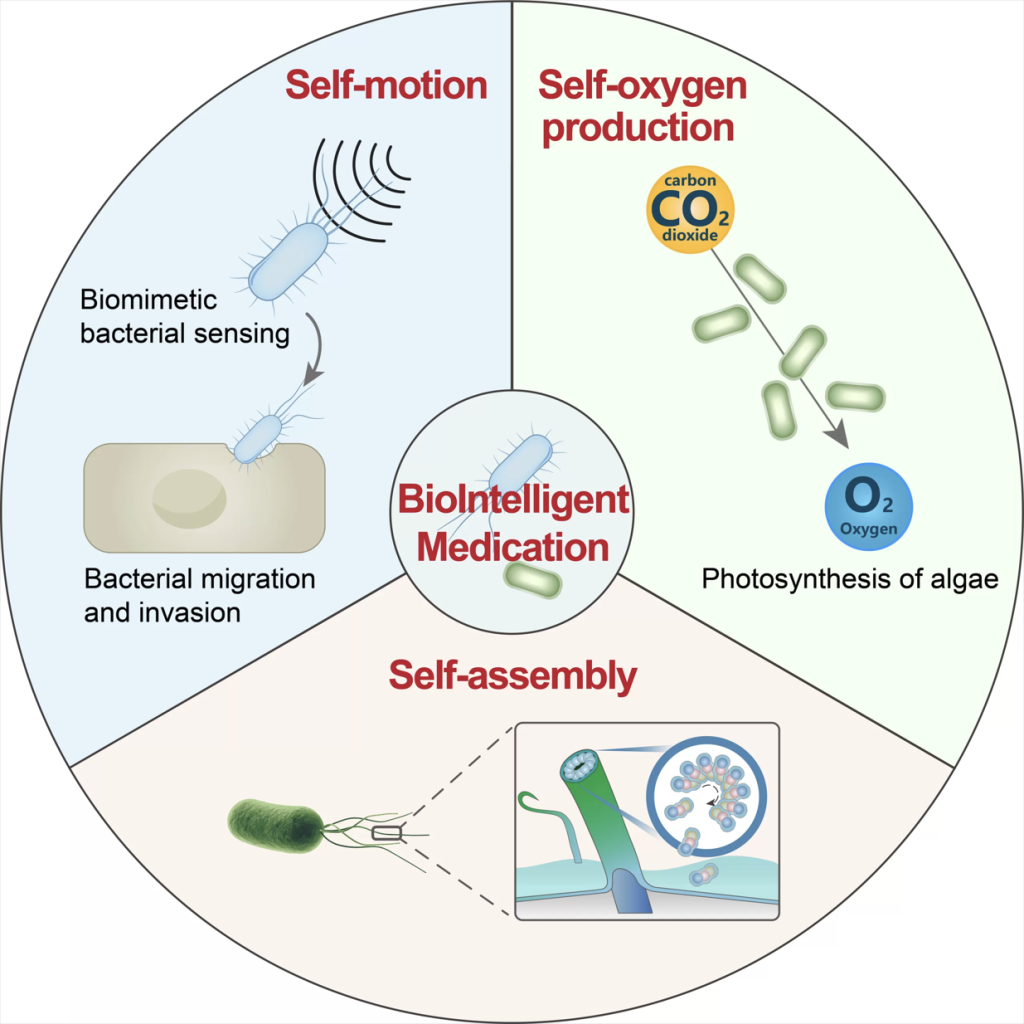
        Can we create a world of living microbe carriers that have the characteristics of self-replication, self-regulation, self-navigation, self-responsiveness and self-sustainability? Engineered Living microbe as drug delivery materials is our goal to treat human disease. The proposed Big Idea would push the boundaries and frontiers of synthetic biology, drug delivery, materials engineering, nanotechnology into new realms.
        Our lab mainly focuses on engineering intelligent or responsive microbe for regulating immune system or cell regeneration. Besides we also mimic the self-assembly process of nature protein aggregate to prepare drug loaded nanoparticles for precise delivery.

Years
Team members
Publications
Patent Filings

In situ enrichment and delivery of STING agonists by protamine-modified Salmonella for cancer immunotherapy

Abstract

Immunotherapy has emerged as a promising therapeutic strategy for cancer. The activation of the stimulator of interferon genes (STING) pathway promotes the polarization of tumor-associated macrophages (TAMs) towards M1 phenotype, with 2′, 3′-cyclic guanosine monophosphate-adenosine monophosphate (cGAMP) serving as an inherent activator, which significantly accumulates in the extracellular space of the tumor sites following radiotherapy (RT). However, the electronegativity and hydrophilicity of cGAMP prevent it from crossing the cell membrane into TAMs, hampering subsequent immunotherapy efficacy. Here, positively charged protamine-modified Salmonella (VNP20009), called VNP-protamine (VNP-PRM), were prepared to enrich cGAMP and form a composite bacteria-drug delivery system with the capacity to enter TAMs freely. Via electrostatic interactions between the guanidine groups of protamine and the phosphate groups of cGAMP, VNP-PRM stably enriched cGAMP on their surface and neutralized the electronegativity of cGAMP. The uptake efficiency of cGAMP by TAMs was then significantly enhanced by the active delivery of VNP-PRM, whose inherent motility and cellular invasiveness endowed them with increased potential to bump against and enter the macrophages. Subsequently, the intracellular cGAMP synergized with the immunogenicity of the bacteria to activate the STING pathway and drive M1 polarization, thereby boosting tumor eradication. Therefore, antitumor immunotherapy can be optimized through in situ enrichment and delivery of post-RT cGAMP to TAMs by the engineered bacteria.

Read More

Bacteria outer membrane-based oxygen gels alleviate tumor hypoxia for enhanced systemic immune response to radiotherapy​

Abstract

Radiotherapy (RT) is considered a standard cancer treatment that directly kills tumor cells and promotes a systemic immune response. However, RT may also lead to tumor hypoxia, which further inhibits the antigen-presenting function of dendritic cells (DCs) and thereby weakens the systemic anti-tumor immune response induced by radiotherapy. In this study, the oxygen-loaded in situ gels carrying bacterial outer membrane (MOGel) were synthesized. As the gels slowly degraded, oxygen was gradually released to alleviate tumor hypoxia. The released bacterial outer membrane (OM) continuously activated DCs, enhancing their antigen-presenting capability. The results demonstrated that MOGel combined with RT induced the strongest tumor cell apoptosis in vitro and achieved a 80% tumor suppression rate in a colon cancer orthotopic model. Importantly, MOGel+RT induced an enhanced abscopal effect, and hypoxia and enhanced DCs activation contributed to the systemic immune response. Thus, OM-based oxygen gels may offer a novel strategy for enhancing the systemic immune response to RT.

Read More

Long term recruitment of Postdoctoral Research Associate & Research assistant !!!


Go to the lab’s Chinese website


Private Address